


The Serengeti is one of the most famous wildlife destinations on Earth, and that fame comes at a price. In peak season, a single lion sighting near the park’s central hub can draw a ring of a dozen vehicles within minutes. For many travellers, that isn’t the wild Africa they dreamed of.
The good news? The Serengeti covers roughly 14,750 square kilometres, and most visitors concentrate in a surprisingly small slice of it. Head a little further, time your visit wisely, and you can still have a leopard, a herd of elephants or an entire river crossing almost to yourself.
In this guide, we explore the less-crowded areas of the Serengeti, explain when to visit them, and show you where to stay for a quieter safari with the Olerai Wilderness Collection.
Why Some Parts of the Serengeti Get So Crowded
Crowds in the Serengeti aren’t random. They follow water, roads, airstrips and short itineraries, which means they’re surprisingly easy to predict, and to avoid.
The Seronera effect
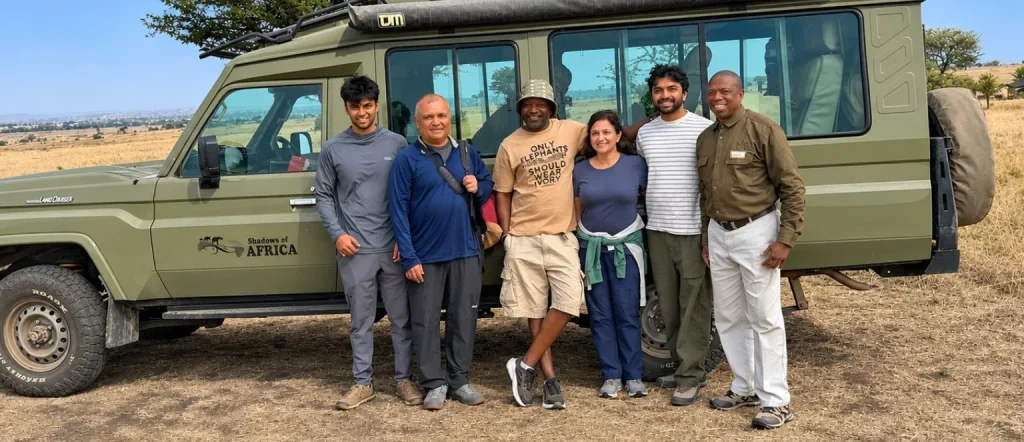
Seronera, in the centre of the park, is where almost everyone starts. There’s water all year, the big-cat sightings are superb, and there’s an airstrip and plenty of lodges. It’s also the obvious next stop after Ngorongoro on the classic northern circuit. Great wildlife, yes. Peace and quiet, not so much.
The migration hotspots
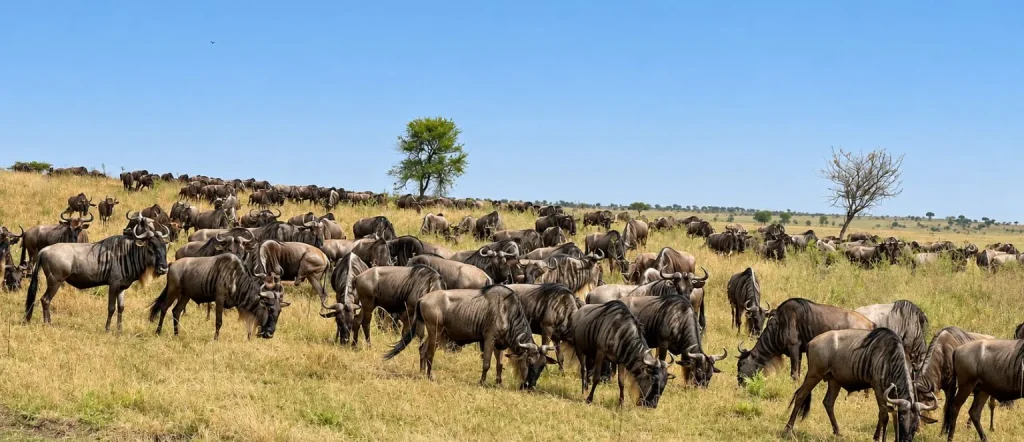
Then there’s the Great Migration. Calving season on the southern plains runs roughly from January to March, and the famous Mara River crossings happen in the north from about July to October. Everyone wants to see them. Understandably.
Short itineraries
A two- or three-night stay keeps you close to the centre, because there’s simply no time to go further. Add a night or two, or base yourself away from the hub, and the whole trip feels different.
6 Less-Crowded Areas of the Serengeti
So where do you go instead? We’ve spent a lot of time in this park, and these six areas are the ones we keep recommending to friends. Some are well known but under-visited. Others most people simply drive straight past.
1. Ikoma and the Western-Central Serengeti
Ikoma sits on the park’s western-central edge, near Ikoma Gate and the old Fort Ikoma. The wildlife is much like Seronera’s: resident lions, leopards, hyenas, giraffes, big herds of zebra and wildebeest. The difference is that you’ll often have a sighting to yourself.
It’s also well placed. The central plains are on one side, the Western Corridor on the other, so you can explore both without long drives. Nobody’s rushing you here.
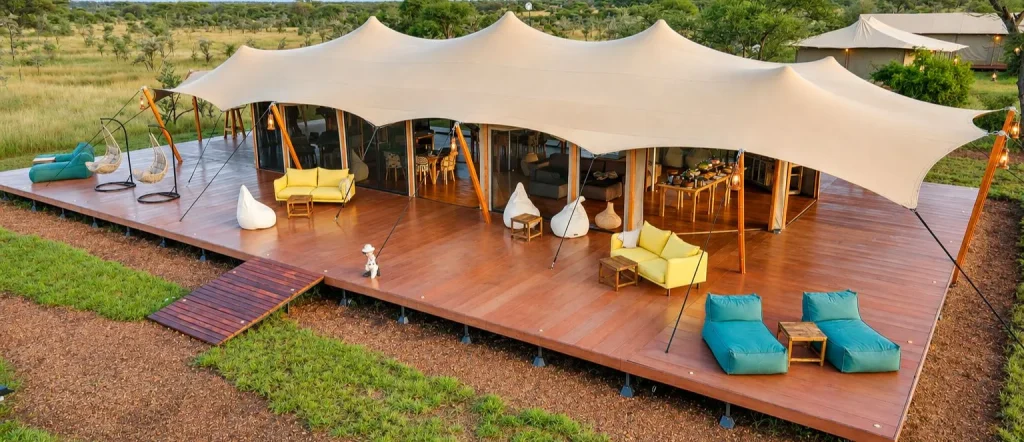
Where to stay: Our Tamu Tamu Camp is right in this quieter corner, close to Ikoma Gate. The en-suite safari tents have both indoor and outdoor showers (the outdoor one is a guest favourite), and each has a private veranda facing the plains. The camp runs on solar power day and night. Evenings usually end around the fire pit, drink in hand, under more stars than seems reasonable. Directions and coordinates are on the Tamu Tamu location page.
2. The Northern Serengeti and the Mara River
For a long time the north was the park’s best-kept secret. It’s a long way from the main airstrips. The landscape is rolling hills, granite outcrops and the Mara River, where the migration makes its most dramatic crossings.
Around Kogatende, the Lamai Triangle and Bologonja, you’ll see fewer vehicles than in the centre for most of the year. Crossing season is busier, of course. The trick is to stay near the river so you’re out before vehicles coming from further away arrive.
Where to stay: That’s exactly why we built Kogatende Camp. It’s around 40 minutes from the main crossing points and 20 minutes from Tabora B Gate. You get the same good food, warm service and fair prices that Tamu Tamu is known for, now in the north. The camp had its soft opening on 10 June 2026, so you’ll be among its first guests.
3. The Western Corridor and the Grumeti River
The Western Corridor runs from the central Serengeti towards Lake Victoria. Its star is the Grumeti River. The Nile crocodiles here are huge, some of the biggest in East Africa. When the herds come through, usually somewhere between May and July, the Grumeti crossings are every bit as tense as the Mara’s. With a fraction of the audience.
The rest of the year it’s quiet and green. Think gallery forest, black-and-white colobus monkeys, pods of hippos and excellent birding. From Ikoma, it’s an easy full-day drive.
4. The Lobo Area in the North-East
Lobo is all big kopjes and hills, somewhere between the central plains and the north. The migration passes through, and there are good numbers of resident lions, elephants and buffalo. Most vehicles treat it as a road to somewhere else. Their loss.
If you’re heading from the centre up to the Mara River on a longer trip, it’s well worth slowing down here.
5. The Eastern Serengeti and the Gol Kopjes
East of Seronera, the grass is short and the horizon goes on forever. This is cheetah country. The Gol Kopjes and the Namiri area have some of the highest cheetah densities in the park, and on the open plains you can spot them from a long way off.
Vehicle access is restricted in parts of the east, which keeps numbers down. Photographers love it.
6. The Moru Kopjes
South-west of Seronera, huge granite boulders rise out of the grass. These are the Moru Kopjes. Lions and leopards use them as lookouts, and a small number of black rhinos live in the area (don’t count on seeing one, but it does happen). Look out for old Maasai rock paintings and Gong Rock, which rings when you strike it.
Moru is close to the centre, yet most vehicles never make the turn. It makes a lovely half-day detour.
Each of these places shows you a different Serengeti: crocodile rivers, cheetah plains, granite islands in a sea of grass. Pick two or three for one trip and you get variety without the crowds. The right camp makes that much easier.
When to Visit for a Quieter Serengeti Safari
Where you go matters. When you go matters just as much. The Serengeti is good all year, but visitor numbers rise and fall with the seasons and with the herds, and the right month can mean sharing a sighting with twenty vehicles, or with nobody.
Green season (April–May and November)
This is when the rains come, and so do the best rates. The plains turn green, the skies get dramatic, and the crowds thin out. Afternoon showers are common. Mornings are often clear, though, and the animals don’t go anywhere.
Shoulder seasons (June and late October to early November)
A happy middle ground: mostly dry weather, active wildlife and a lot less traffic. June is a great month for the Western Corridor. In late October, crossings can still happen on the Mara, without the July crowds.
Peak season (July to September)
The north is at its busiest. If these are your dates, stay close to the river at Kogatende Camp and head out early.
Honestly, there’s no bad time to come. If quiet is what you’re after, the green and shoulder seasons give you more space for your money. If it’s the crossings you’ve dreamed about, the right camp lets you do peak season your way.
Tips for Avoiding the Crowds on Safari
Even in the busiest months, small decisions make a big difference. Where you sleep, what time you leave camp and how you plan your route all count for as much as the season does. These are the tips we share with guests at our camps:
- Stay longer in one place. Three nights somewhere quiet beats racing between hotspots.
- Don’t base yourself in Seronera. From Ikoma or the north, the wildlife is just as close and the traffic isn’t.
- Get up early. Come back late. First and last light are the quietest hours, and very often the best.
- Book a private game drive. At Tamu Tamu Camp you can choose a shared or private drive, so you decide how long to stay at a sighting.
- Combine regions. Ikoma plus the north covers resident wildlife and the migration in one trip.
None of this means settling for less. Quieter drives often turn out better, because animals behave more naturally when they aren’t surrounded. Get the camp right, keep your plans flexible, and you’ll come home with moments that were yours alone.
A Sample Quiet-Serengeti Itinerary
Want to see how it all fits together? This eight-day route links quiet Ikoma with the Northern Serengeti and starts and ends gently in Arusha. It skips the busiest hubs but still covers resident wildlife, the Western Corridor and, if your dates line up, the Mara River crossings.
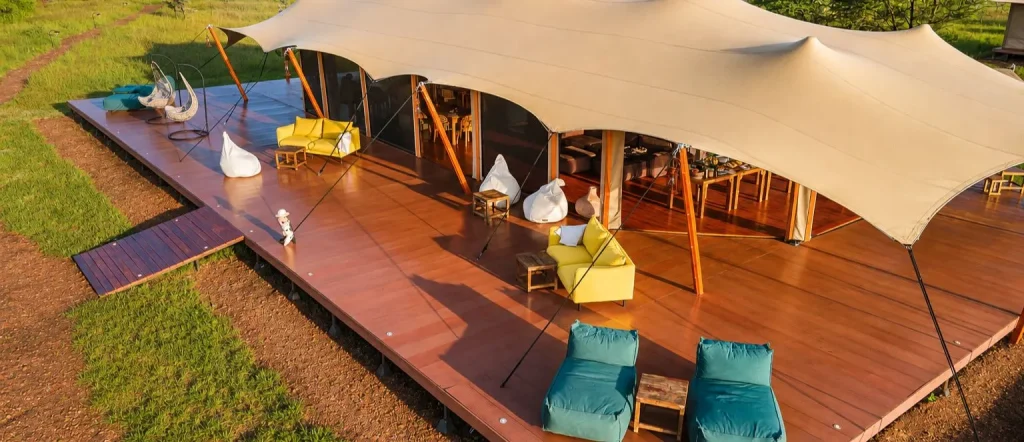
- Day 1 – Arrive in Arusha. Shake off the flight at Olerai Lodge, on the green edge of Arusha, 15 minutes from Arusha Airport, with Mount Meru in view. Dinner is a good introduction to our dining experience.
- Days 2–4 – Ikoma, Western-Central Serengeti. Fly or drive to Tamu Tamu Camp near Ikoma Gate. Spend your days on the Ikoma plains, with a full day out to the Western Corridor and a detour to the Moru Kopjes.
- Days 5–7 – Northern Serengeti. Head north to Kogatende Camp for the river crossings in season, the Lamai Triangle and the hills around Bologonja.
- Day 8 – Back to Arusha. A last night at Olerai Lodge, or straight on to Zanzibar or home.
You don’t have to follow it to the letter. Add nights in the north during crossing season. Linger at Ikoma in the green season. Fit in the Ngorongoro Crater on the way in. Share the route with your safari operator or travel agent, and our camps will slot in wherever you need a comfortable bed.
Travel Responsibly in the Serengeti
The quiet corners stay quiet only if we look after them. When you choose where to stay, ask about energy, local hiring and community support. Tamu Tamu runs on solar power, and the décor across our properties is made through the Paprika project, a craft initiative that supports local artisans.
Stay in the Uncrowded Serengeti with OWC
The Serengeti still has room to breathe. You just have to know where to look. Whether it’s the plains around Ikoma or the banks of the Mara, the Olerai Wilderness Collection puts you in the less-crowded areas of the Serengeti, with an easy start and finish in Arusha.
Ready to leave the crowds behind? Book your stay with us, or browse our safari blog for more ideas for your Tanzania trip.
